


Outdoor Design Trends 2026: Why Porcelain Pavers Are Dominating Modern Landscapes
How sustainability, low-maintenance materials, large-format paving, and accessible urban design are shaping the future of outdoor spaces.
Outdoor spaces are no longer viewed as secondary elements of a property. Across residential, commercial, and public developments, exterior environments have become essential extensions of architecture itself. Whether it is a private garden, a rooftop terrace, a luxury hotel courtyard, or a city plaza, outdoor areas are expected to deliver the same level of functionality, comfort, and visual appeal as interior spaces.
This shift is transforming the materials, technologies, and design principles used in landscape architecture. Property owners are looking for surfaces that require less maintenance, withstand changing climate conditions, and support sustainable development goals. Architects are specifying materials that combine aesthetics with performance, while municipalities are investing in infrastructure that improves accessibility, safety, and environmental resilience.
Among all outdoor surfacing solutions, porcelain pavers have emerged as one of the defining materials of modern landscape design. Their growing popularity reflects broader trends shaping the future of outdoor construction in 2026 and beyond.
The Rise of Outdoor Living Spaces
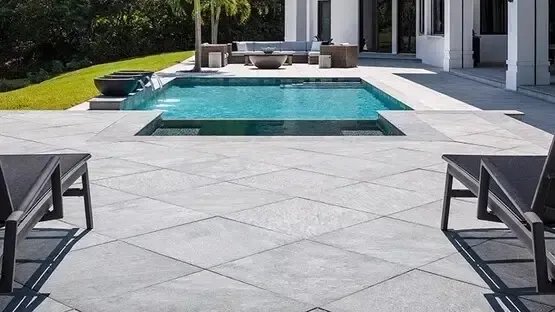
One of the most influential trends of the past decade has been the transformation of outdoor areas into functional living environments. Homeowners increasingly view patios, terraces, gardens, and courtyards as extensions of their indoor living spaces. Outdoor kitchens, dining zones, lounges, fire pits, and entertainment areas have become common features in both luxury and mid-market residential developments. This shift has changed expectations regarding outdoor flooring. Surfaces must now provide the same visual quality associated with premium interiors while remaining capable of withstanding weather exposure and daily use. As a result, developers are prioritizing materials that deliver a seamless transition between indoor and outdoor environments. Large-format porcelain pavers, stone-look ceramic surfaces, and wood-inspired decking systems are increasingly used to create cohesive designs that blur the distinction between interior and exterior spaces. The outdoor living trend shows no signs of slowing. As urban populations continue to seek private outdoor retreats, demand for durable and aesthetically refined landscape materials is expected to grow throughout 2026.
Why Porcelain Is Replacing Traditional Stone
Natural stone has long been considered the benchmark for premium outdoor surfaces. Granite, limestone, slate, and marble have been widely used in landscaping projects for generations. However, the market is undergoing a significant transition. Advances in porcelain manufacturing technology now allow ceramic pavers to replicate the appearance of natural stone with remarkable accuracy. Digital printing and textured finishes reproduce intricate details, colors, and surface characteristics that were once exclusive to quarried materials. Beyond aesthetics, porcelain offers several practical advantages:
- Extremely low water absorption
- High resistance to frost damage
- Excellent stain resistance
- Minimal maintenance requirements
- Long-term durability
For property owners, this means lower maintenance costs and reduced long-term upkeep.
For architects and contractors, it means a reliable material capable of delivering consistent performance across a wide range of climates and project types. These advantages explain why porcelain pavers are increasingly replacing traditional stone in residential landscapes, hospitality projects, commercial developments, and public infrastructure.
Large-Format Pavers and Minimalist Design
Minimalist architecture continues to influence outdoor design trends in 2026. Clean lines, uncluttered spaces, and visually seamless surfaces remain highly desirable among both homeowners and designers. This aesthetic preference has contributed to the growing popularity of large-format pavers. Large paving units create a sophisticated appearance by reducing the number of visible joints and interruptions across a surface. The result is a cleaner and more contemporary visual effect. Large-format porcelain pavers are particularly well suited to this trend because they combine impressive dimensions with precise manufacturing tolerances. Consistent sizing allows installers to achieve highly accurate layouts that complement modern architectural styles. These surfaces are commonly used in:
- Luxury patios
- Rooftop terraces
- Hotel courtyards
- Pool decks
- Commercial plazas
- Urban public spaces
As minimalist design continues to dominate contemporary architecture, large-format paving is expected to remain one of the most influential landscape trends throughout the coming years.
Sustainable Landscaping and Permeable Paving
Sustainability has become a central priority across the construction and real estate industries.
Cities around the world face increasing challenges related to stormwater management, urban flooding, heat islands, and environmental resilience. Landscape design now plays an important role in addressing these concerns. One of the most significant developments is the growing adoption of permeable paving systems. Unlike traditional impermeable surfaces, permeable pavers allow rainwater to infiltrate through the paving structure and return naturally to the ground. This process helps reduce runoff, minimize puddling, and improve groundwater recharge. Developers are increasingly incorporating permeable paving into:
- Residential communities
- Commercial developments
- Parking areas
- Public parks
- Pedestrian zones
These systems support broader sustainability objectives while helping projects comply with evolving environmental regulations. As governments continue to promote green infrastructure initiatives, permeable paving is expected to become a standard component of future landscape design.
Accessibility as a Design Priority
Inclusive design is no longer viewed as an optional consideration. In 2026, accessibility is becoming a fundamental requirement for public spaces and urban developments. Designers are increasingly integrating tactile paving systems, slip-resistant surfaces, and intuitive pedestrian guidance features into outdoor environments. Tactile paving provides essential navigation assistance for visually impaired individuals by communicating directional information and hazard warnings through textured surface patterns. At the same time, advancements in surface engineering have improved safety for all users by reducing slip risks and enhancing traction under wet conditions. This focus on accessibility reflects a broader shift toward people-centered urban planning. Cities are prioritizing infrastructure that supports independence, safety, and equitable access for diverse populations.
As accessibility standards continue to evolve, tactile paving and safety-focused surface solutions will play an increasingly important role in public realm projects worldwide.
Wood-Look Decking Without Maintenance
The natural appearance of timber remains highly desirable in outdoor environments. Wood creates warmth, texture, and visual comfort that complements a wide variety of architectural styles. However, traditional timber decking presents numerous maintenance challenges. Exposure to moisture, sunlight, insects, and temperature fluctuations can lead to:
- Warping
- Fading
- Rot
- Structural deterioration
Regular sealing and treatment are often required to preserve performance. This has created growing demand for wood-look porcelain decking solutions. Modern porcelain decking tiles accurately replicate wood grain patterns and natural color variations while eliminating many of the maintenance concerns associated with timber. These surfaces provide the aesthetic benefits of wood while delivering:
- Improved weather resistance
- Greater durability
- Reduced maintenance requirements
- Long-term color stability
- Enhanced slip resistance
As homeowners increasingly prioritize convenience and longevity, wood-inspired porcelain decking is becoming one of the fastest-growing categories within outdoor flooring.
Smart Cities and Modern Public Spaces
Urbanization continues to reshape how cities approach public infrastructure.
Smart city initiatives are encouraging municipalities to create public spaces that are not only visually appealing but also resilient, accessible, and adaptable. Modern urban environments require paving systems capable of supporting:
- Heavy pedestrian traffic
- Public transportation infrastructure
- Environmental sustainability goals
- Accessibility requirements
- Long-term maintenance efficiency
High-performance paving materials have become critical components of these projects. Porcelain pavers, tactile surfaces, and permeable paving systems are increasingly used in transportation hubs, public squares, pedestrian corridors, and civic spaces. The emphasis is shifting away from short-term construction costs toward lifecycle performance and long-term value. This approach aligns closely with broader smart city objectives focused on durability, efficiency, and sustainability.
Commercial Demand for Durable Outdoor Surfaces
Commercial developments face unique challenges when selecting outdoor materials. Hotels, resorts, office complexes, shopping centers, and mixed-use developments require surfaces capable of maintaining their appearance despite intensive daily use. High foot traffic, exposure to weather, and ongoing operational demands place significant stress on outdoor flooring systems. Consequently, developers are prioritizing materials that combine visual appeal with exceptional durability. Porcelain pavers have gained particular traction within the commercial sector because they offer:
- Consistent appearance
- High wear resistance
- Low maintenance requirements
- Strong slip-resistance characteristics
- Long service life
These qualities help reduce operational costs while preserving the visual standards expected in premium commercial environments. As competition within the hospitality and retail sectors continues to intensify, durable landscape materials are increasingly viewed as strategic investments rather than simple construction components.
What Architects Are Specifying in 2026
Architectural specifications provide valuable insight into emerging industry trends.
In 2026, many architects are prioritizing materials that deliver a balance of sustainability, aesthetics, durability, and practicality.
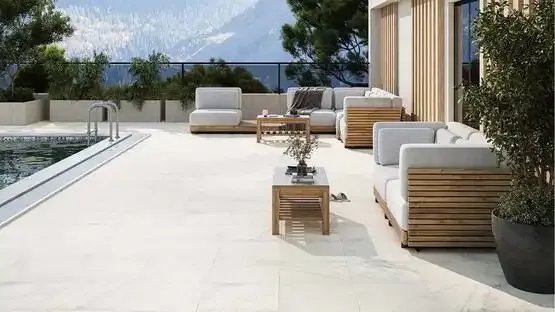 Several recurring themes are evident across contemporary projects:
Large-Format Surfaces
Architects favor larger paving elements that support minimalist design principles and create visually expansive spaces.
Stone-Look Porcelain
Porcelain products that replicate limestone, marble, granite, and concrete remain among the most specified outdoor materials.
Permeable Systems
Environmental considerations continue to drive demand for permeable paving technologies.
Slip-Resistant Finishes
Safety remains a critical factor across both public and private developments.
Integrated Accessibility Features
Tactile paving and inclusive design solutions are increasingly incorporated from the earliest project stages.
Low-Maintenance Materials
Clients consistently seek products that reduce operational costs and long-term maintenance requirements.
Together, these preferences illustrate a broader industry movement toward performance-driven design.
Future Outlook for Outdoor Construction Materials
Looking beyond 2026, several long-term trends are expected to shape the future of landscape architecture and outdoor construction. Climate resilience will become an increasingly important consideration as regions face more extreme weather patterns. Sustainable urban development will continue to influence material selection, encouraging wider adoption of permeable systems and environmentally responsible construction practices. Advances in manufacturing technology will further improve the realism and performance of porcelain surfaces, allowing them to replicate natural materials with even greater precision. At the same time, growing expectations regarding accessibility, safety, and lifecycle performance will encourage designers to adopt integrated solutions that address multiple project requirements simultaneously. Porcelain pavers, tactile paving systems, permeable surfaces, and maintenance-free decking products are well positioned to benefit from these developments.
The outdoor design trends defining 2026 reflect a broader transformation occurring across the built environment. Property owners, developers, architects, and municipalities increasingly demand materials that deliver beauty, durability, sustainability, and long-term value. Porcelain pavers have emerged as a leading solution because they align closely with these evolving priorities. Their ability to replicate natural materials while providing superior performance makes them particularly attractive for contemporary projects. From large-format paving and wood-look decking to permeable systems and accessible urban infrastructure, the future of landscape design is being shaped by materials that combine innovation with practicality. As outdoor spaces continue to grow in importance, the solutions that balance aesthetics, functionality, and environmental responsibility will define the next generation of residential, commercial, and public environments.
Push notifications are not supported in this browser.